If you are passionate about culinary traditions and you like to discover the hidden side of each place, the Frantoi Ipogei di Specchiaare an unmissable stop in Salento, an attraction far from the classic tourist itineraries.
These ancient underground structures offer a unique overview of the millenary custom of producing olive oil. Nestled in the heart of Specchia, one of the most characteristic villages in Puglia, the oil mills represent a journey back in time, making you breathe the atmosphere of an era in which oil played a key role in the local economy.
The intense scent of oil will accompany you along the way, enriching the sensory experience. It is not just about visiting ancient factories but entering a world where culture and craftsmanshipblend, offering you an authentic testimony of how the past still has an impact on the cultural and culinary roots of Specchia and the entire Salento.
General information on the Frantoi Ipogei di Specchia
Specchia is one of the most beautiful villages in Italy, a small jewel located in the province of Lecce that proudly guards its centuries-old history.
Among the many wonders that the country offers, the Hypogean Oil Mills occupy a special place. Defining them only as a workplace is reductive, they are true custodians of traditions, ancient techniques and a way of life that still fascinates those who have the pleasure of visiting them.
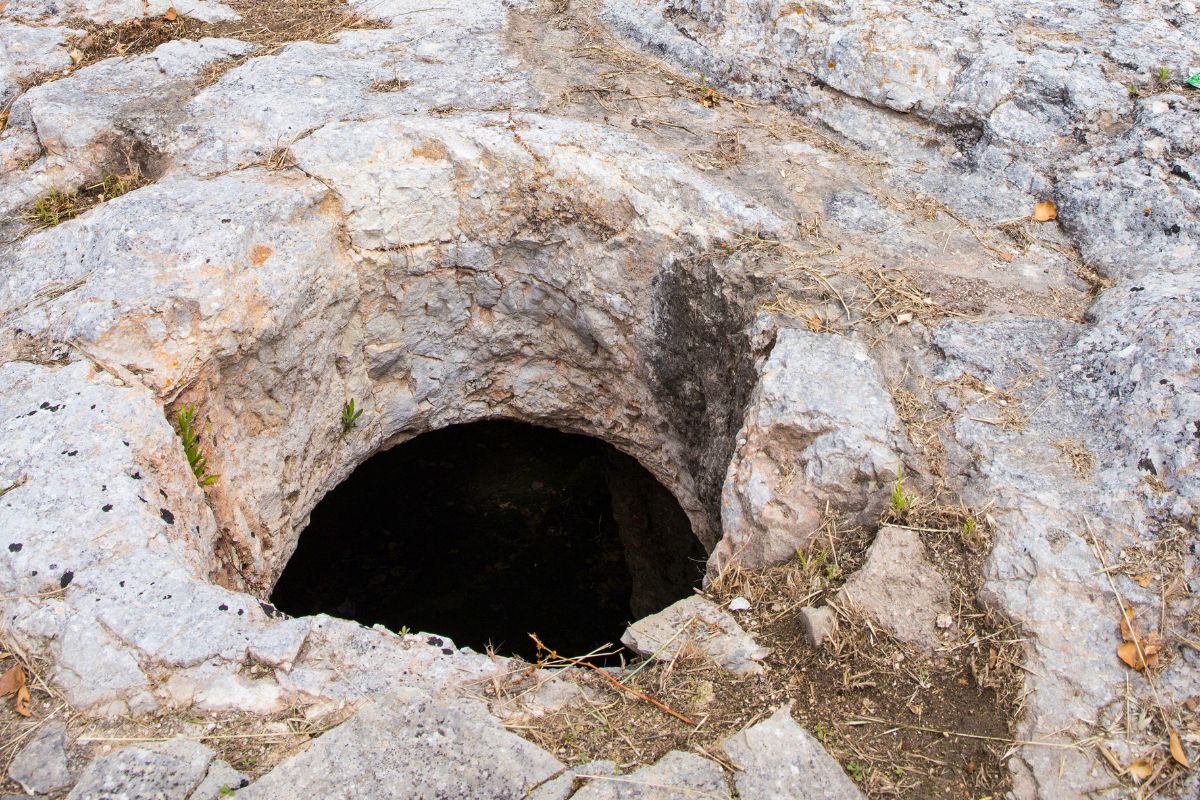
The Hypogean Oil Mills of Specchiaare an extraordinary example of rural architecture that bears witness to the ingenuity of Salento peasant life. They are underground spaces in tuff that guaranteed an ideal microclimate for the conservation ofolive oil, a fundamental element for the survival of local families. In fact, tuff is known for its ability to maintain stable temperatures, protecting the oil from sudden changes in temperature that would have compromised its quality.
The history of the Frantoi Ipogei di Specchia
The culture of the olive tree in Salento dates back many centuries and the origins of the crushing of olives in Specchia date back to the medieval period. Over the centuries, Salento peasant families created these underground spaces to exploit the geological characteristics of the territory, in particular the tuff, which favored the conservation of the oil and the pressing process, while the Lecce stone gave resistance and durability to the structures.
Olive oil has always had a fundamental value for the inhabitants of Specchia and the surrounding areas, so much so that every town and village had its own oil mill. The underground oil mills of Specchia are a direct testimony to how, for hundreds of years, the production of oil has represented a vital resource for the community.
In the small villages, families not only produced oil for daily consumption, but also for sale. Over time, the use of oil mills has declined, also following the spread of more modern industrial production methods. Despite this, some underground oil mills have been recovered, restored and are now open to the public, testimony to a past that should not be forgotten.
How the Specchia Hypogeum Oil Mills Worked
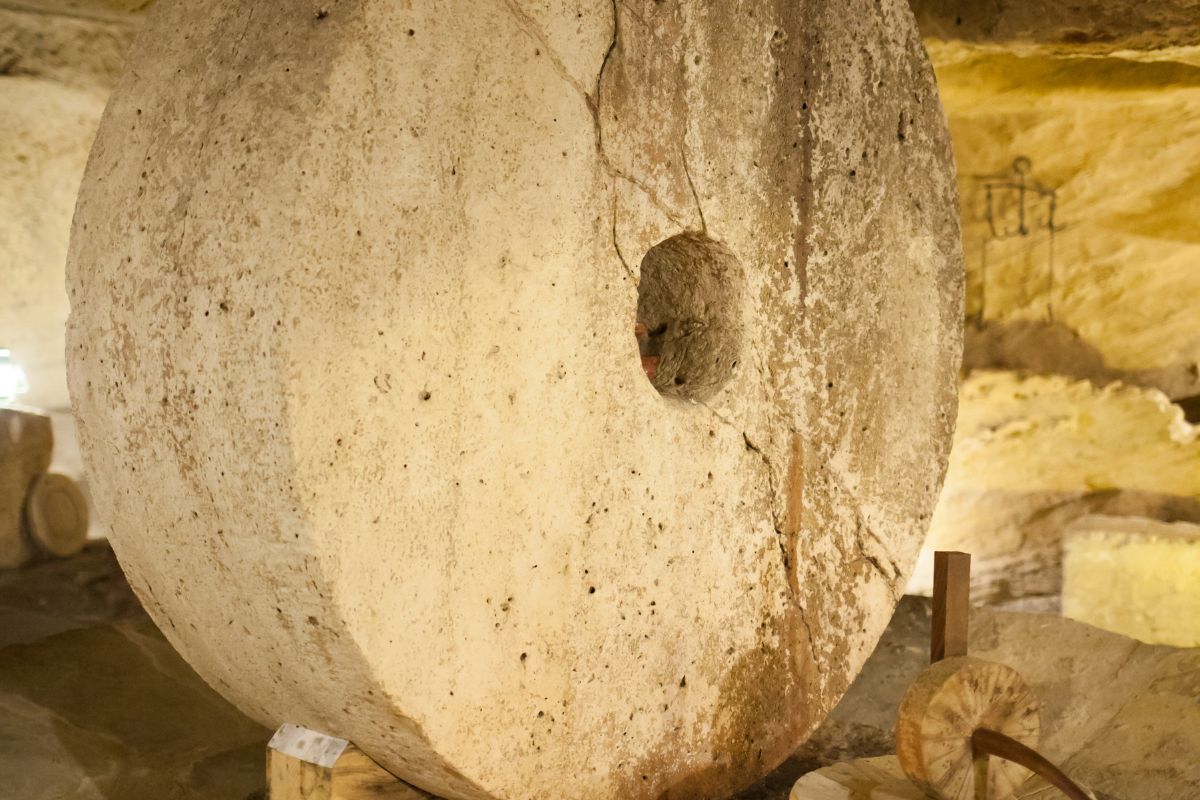
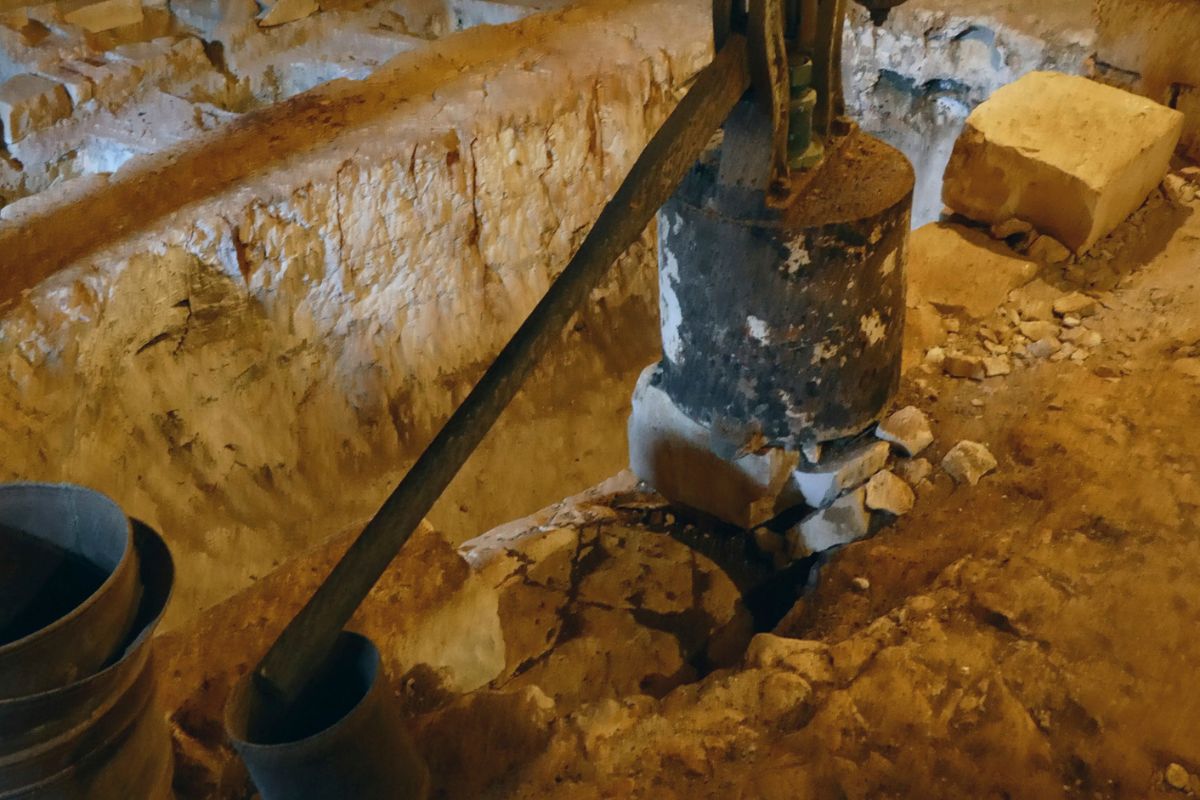
The Specchia hypogeum oil mills were real oil factories, with every corner designed to optimize the work. Each structure was equipped with a system of stone mills that ground the olives, an ancient pressing process that occurred through the movement of large presses powered by animal power or, later, by motive power.
Each mill was managed by a nachiro, a central figure in the production process, which came from the Greek term “naùkleros”, meaning “master of the ship”. The nachiro was not only responsible for daily operations, but was also responsible for the final phase of processing. In fact, it was he who was responsible for purifying the oil and separating it from the bilge water, or the vegetation water that formed during the pressing process. His figure was one of great authority: he established the work shifts, the breaks and was also responsible for distributing the offerings that the customers made to the workers.
The entire process was carried out with an almost ritual discipline, so much so that the mill was considered a sacred place, and during the processing period, which lasted from the beginning of November until May, the mill was compared to a church: “U trappitu è comu na chiesa” (the mill is like a church), the Salento people used to say.
Alongside the nachiro, at least five trappitari worked, the laborers who took care of the different phases of production, and a young man who had more varied tasks: he brought drinks, cooked, looked after the animals and ran errands.
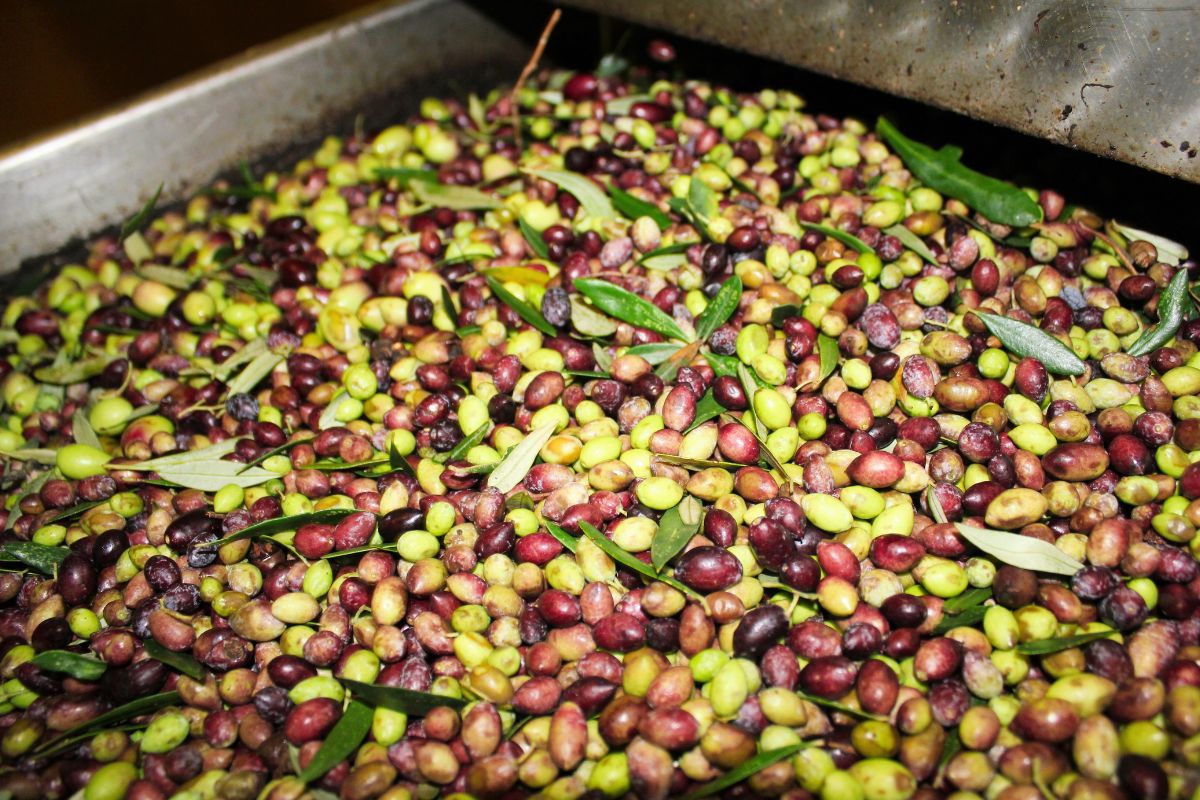
The olives, picked by hand, were taken to the mills to be transformed into liquid gold. The underground rooms, cool and humid, allowed continuous work at a stable temperature, ideal for preventing the oil from altering.
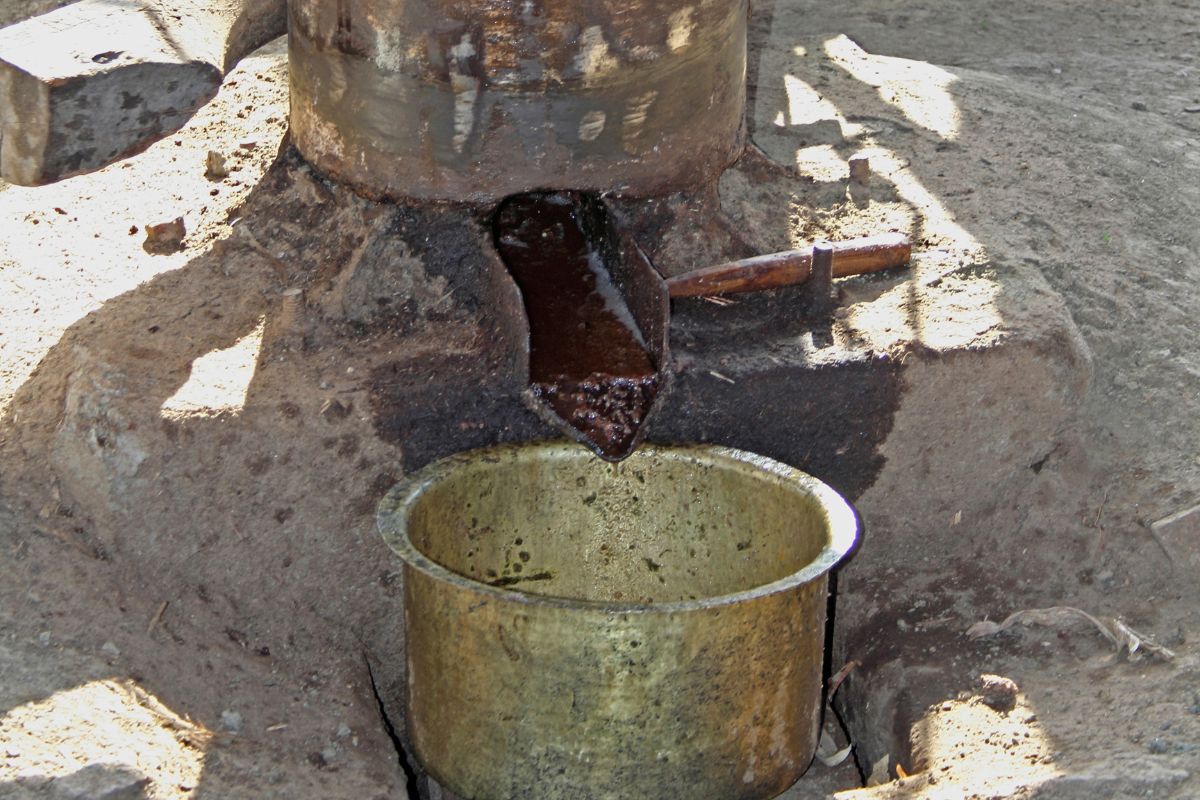
The production process was divided into several phases: first the crushing, then the squeezing and, finally, the decanting of the oil. Once squeezed, the oil was collected in terracotta jars and stored in caves or in cool environments to maintain its quality. The oil mills were a point of reference for the entire community, not only for the production but also for the trade of the oil that was sold in local markets or exchanged.
Which underground oil mills to visit in Specchia
Among the underground oil mills to visit in Specchia, some structures stand out that will allow you to immerse yourself in a tradition that dates back centuries.
The Frantoio Cicca, the Frantoio Scupola, the Francescani Neri and the Frantoio Perrone are just some of the establishments that we recommend you visit. Each has a unique history and represents an important testimony to the agricultural and cultural past of Salento.
The choice to build underground was not accidental: it was an economic solution, which allowed saving on the construction of elevated walls, but above all it guaranteed a constant temperature inside.
Today, visiting the oil mills, you will understand how the choice to build them underground was intimately linked to the need to guarantee the best possible quality to a product that has always had great economic and cultural importance for the Salento community.
What to do in the surroundings of the Specchia Hypogeum Oil Mills
Specchia is not just oil mills and oil. The village is very lively and, after visiting the oil mills, we invite you to stroll through the streets of the historic center, admiring the stone houses, the flowered courtyards and the ancient churches that dot the urban landscape. Do not miss a visit to the Church of the Presentation of the Blessed Virgin Mary, one of the most beautiful in the area, and then stop in one of the small squares to enjoy a coffee.
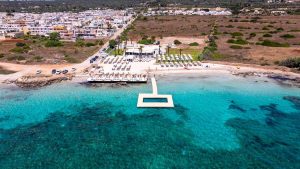
You can also easily reach the Adriatic coast and enjoy one of the many seaside resorts such as Tricase Porto or Marina Serra.
Specchia is also a perfect place for food lovers. You can buy olive oil directly from local producers or let yourself be tempted by typical Salento sweets and other delicacies that will please every palate.