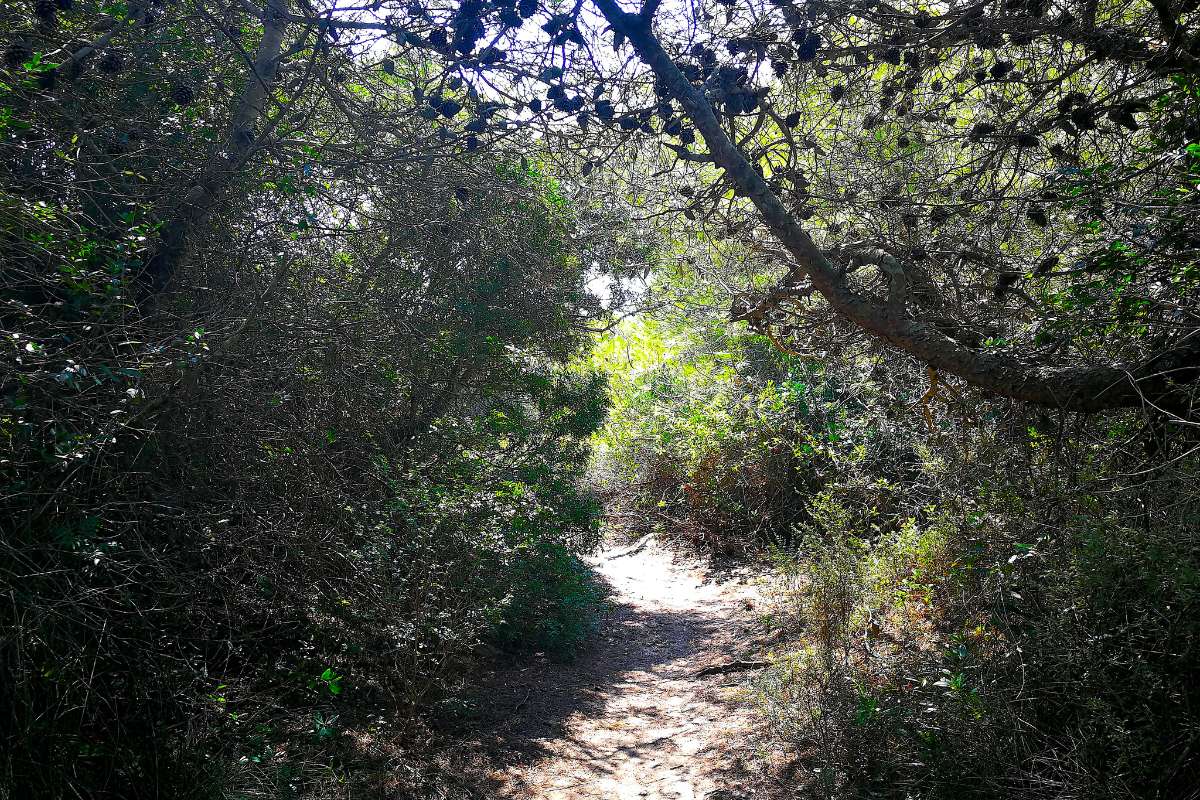
The Parco naturale regionale Litorale di Ugento, located in the suggestive land of Salento, is a true jewel of biodiversity and natural landscapes. Its landscape, naturalistic and environmental peculiarities place it among the most important areas of the region in terms of variety and conservation of ecosystems.
With a rich flora composed of about 400 taxa, some of which are priority according to the Direttiva Comunitaria “Habitat”, and a fauna that makes it a crucial stop for migratory birds, the park offers a unique naturalistic spectacle.

General information
The Parco Naturale Regionale Litorale di Ugento is distinguished by its rich landscape and nature, representing one of the most significant biodiverse treasures of Salento.
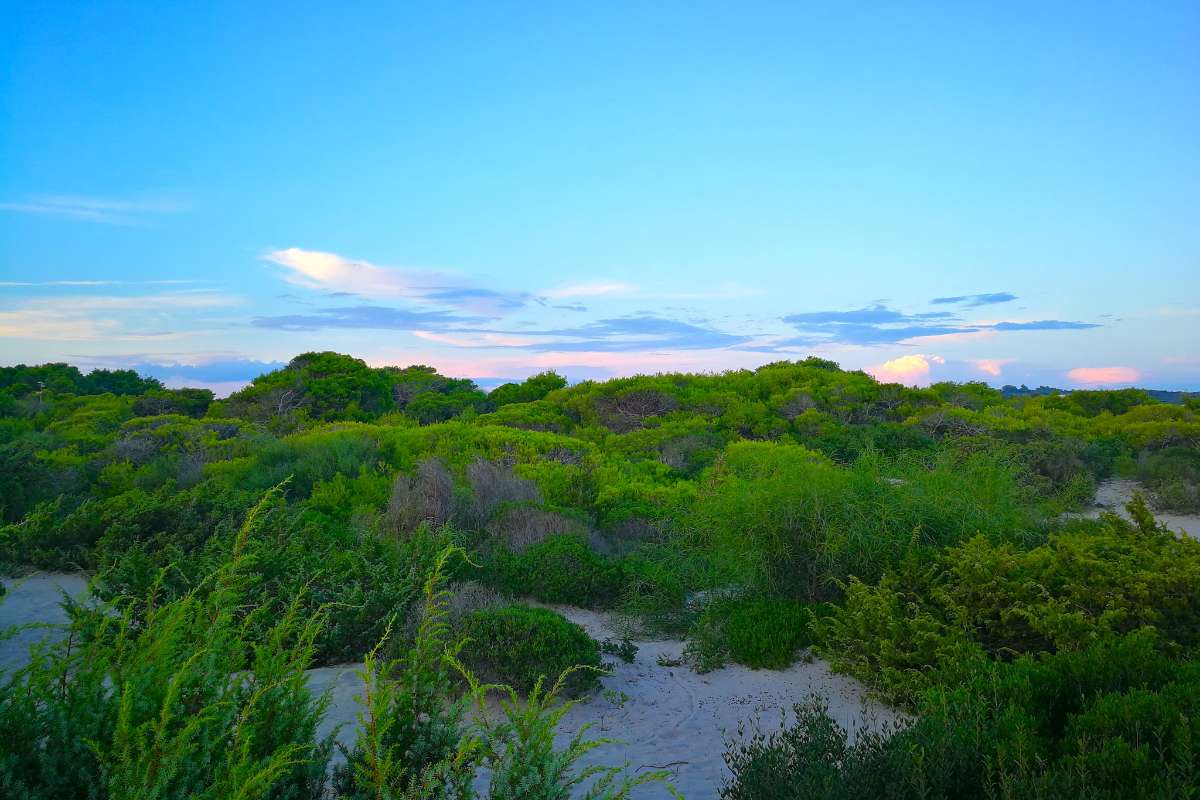
The varieties of wild orchids, admired by scholars from all over the country, are just one aspect of its extraordinary diversity. The complex coastal dune system, enriched by the vegetation of Juniper and Ammophila, together with the presence of a pine forest of Pinus halepensis in the backcountry, creates a unique environment. The Gravinelle, rock formations carved by the action of the meteor waters, offer a special microclimate that favors rich vegetation.
This natural treasure has been recognised as a Special Conservation Area and subsequently elevated to Regional Nature Protected Area, testifying to the commitment to its preservation. The Park is also an active member of the Federazione Italiana dei Parchi e delle Riserve naturali.
You can visit the Parco Naturale Regionale Litorale di Ugento on your own or request an environmental guide for an immersive experience.
The history
The Parco Naturale Regionale Litorale di Ugento covers an area of about 1,626 hectares, equivalent to 16.45% of the territory of Ugento, and embraces a coastal stretch of about 9.146 kilometers. Characterized by a nearly flat shape along the coast to the coastal road, beyond which the ground rises quickly to reach about 108 meters at the Masseria Arto, the territory has an average altitude of about 40 meters, with an average gradient of 5%.
Ancient maps show that the area was largely covered by Mediterranean scrub and extensive coastal swamps, fed by stagnant rain water due to the natural shape of the land and the impermeable substrate. These marshes posed a challenge to local populations, being an ideal environment for the proliferation of the anopheles mosquito, vector of malaria, and preventing access to the coastal belt.
In the second half of the 1930s, a major reclamation project was started, which led to the construction of seven basins and a network of canals. These interventions allowed the outflow of fresh water into the sea and the entry of seawater into the hydraulic system, effectively countering the growth of mosquito larvae and radically transforming the landscape of the territory.
The flora
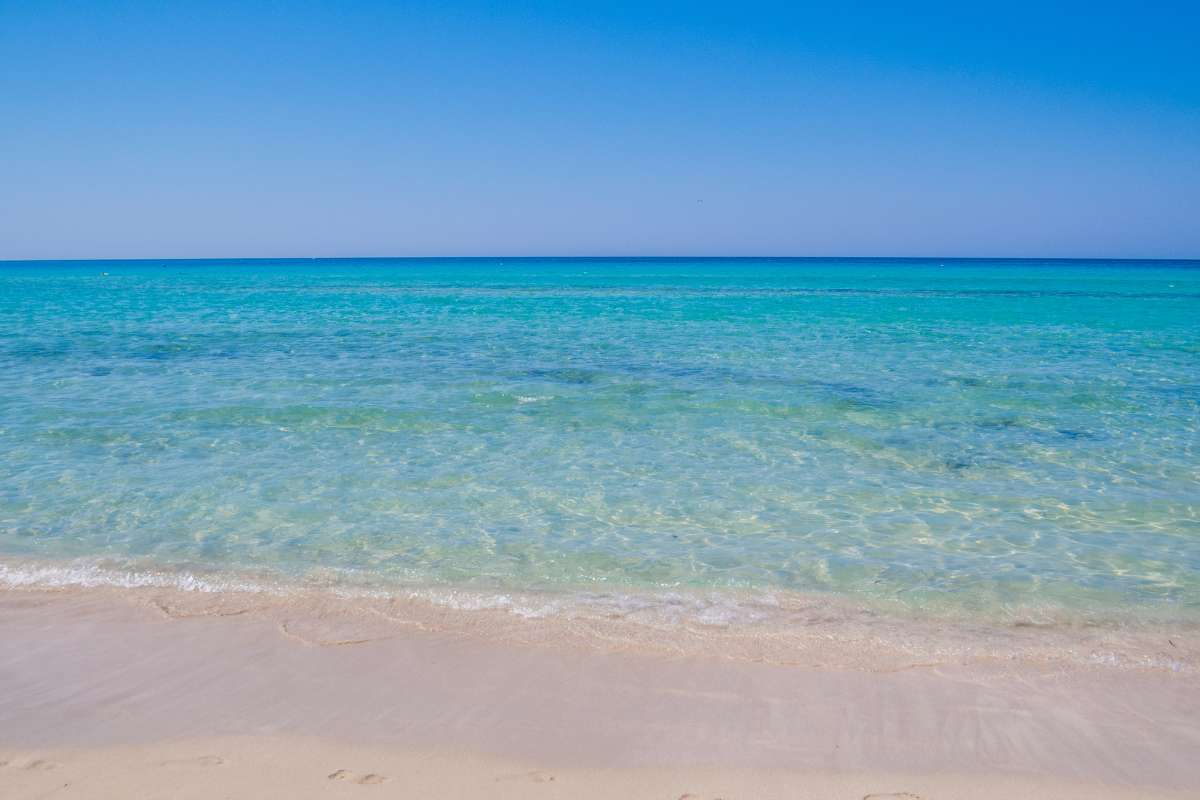
The Parco Naturale Regionale Litorale di Ugento boasts an extraordinary flora, rich in unique species and of great ecological value. Numerous are the environments present inside the park, all included in the same Habitat Directive as worthy of conservation, demonstrating the ecological complexity of the area. Among the natural and semi-natural habitats that deserve special protection and conservation, you can find the grasslands of Posidonia oceanica, the coastal lagoons, the endemic pine forests of mesogenic pines and the mobile dunes of the littoral with the presence of Ammophila arenaria. The flora of the park includes endemic species such as Ofride pugliese (Ophrys apulica) and Narcissus tazetta (Narcissus tazetta), as well as a variety of plants adapted to the dune environment, such as the Sea Rughetta (Cakile maritima), the dune lily (Pancratium maritimum) and the spiny eringio from the amethyst flowers (Eryngium maritimum). The presence of diverse habitats, from coastal to wetlands, contributes to the biodiversity of the protected area, making it a sanctuary for many unique and rare plant species.
The fauna
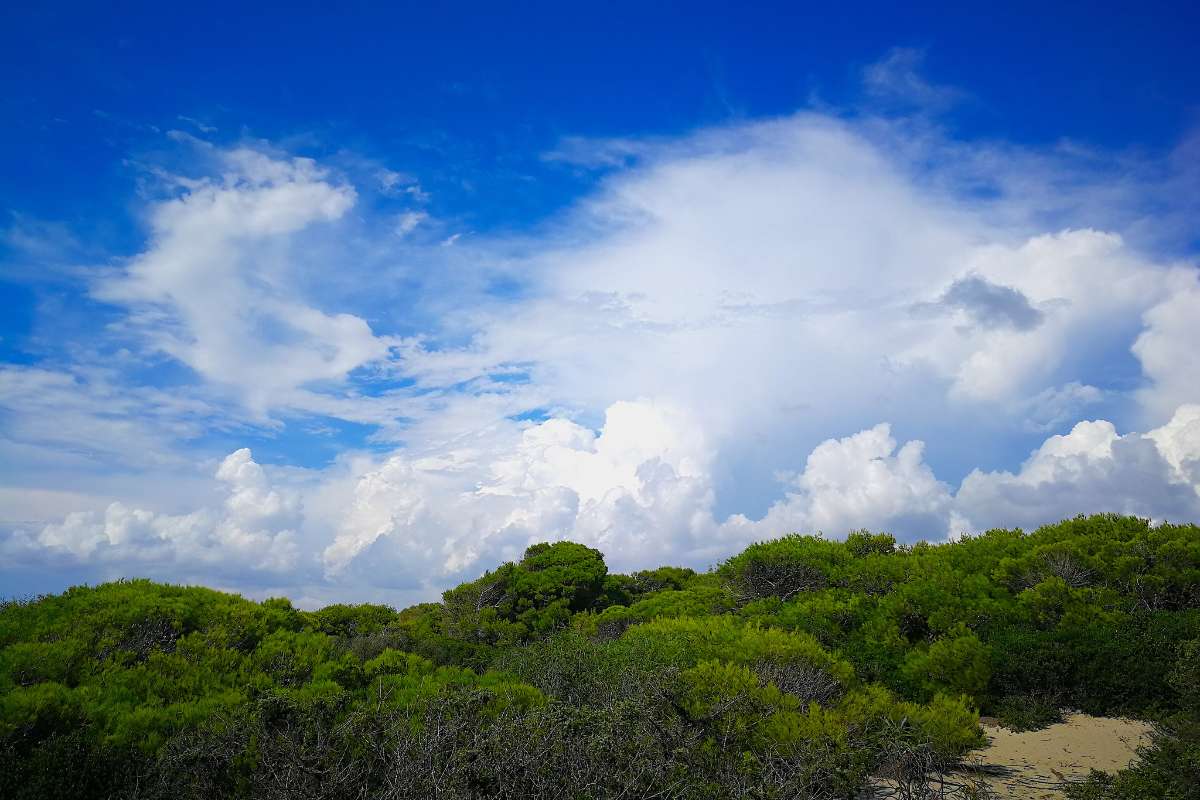
The Parco Naturale Regionale Litorale di Ugento is also an important refuge for a diverse fauna, which includes both migratory birds and resident species. The basins in the area, especially the Rottazza Sud basin, play a fundamental role in attracting many birds from different parts of the world during their migrations. Among the protected species that inhabit the basins, we can observe common frogs, cormorants, red herons and cinerines, cannaiole and sometimes also flamingos. In the clearings of water it is common to meet leafy groupers, water hens and germani, while in the reeds it is possible to spot the natrice and the rare marsh turtle. The mammals living in the area include foxes, weasels, wasps and badgers, while in the surrounding fields and meadows you can find the hedgehog and a variety of reptiles, including the biacco and the leopard’s colubro, the latter present only in a few locations of Puglia, Sicily and Basilicata. Among the marine species, once the sea turtles like the Caretta caretta laid their eggs along the sandy coasts of the area, although today their breeding environments are increasingly limited due to human disturbance caused by beach tourism.
Where is the Parco Naturale Regionale Litorale di Ugento
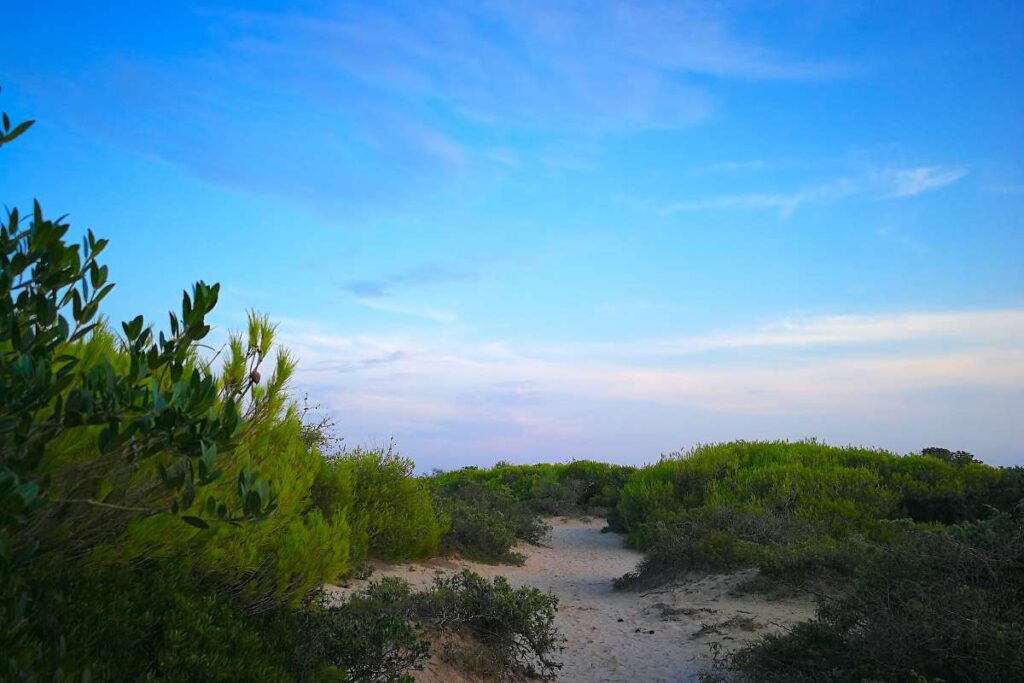
The Parco Naturale Regionale Litorale di Ugento is located along the picturesque Ionian coast, in the southern part of the Salento peninsula, in Puglia. Bounded by the localities of Torre San Giovanni and Lido Marini, the protected area was established by the Regional Law n. 13 of 28 May 2007. It extends for about three kilometres inland and is eight kilometres along the coast. This stretch of coastline is characterized by extraordinary beauty, comprising a dune and retrodune system, a series of tidal basins and connecting channels, an imposing fossil cliff with gravines and the largest area of Mediterranean scrub in Salento.
How to get to Ugento
To reach Ugento there are several transport options available:
- By plane: You can land at the airports of Brindisi or Bari, which have connections with all major Italian and foreign cities.
- By train: Italian cities offer rail links to the main station in Lecce, from where you can continue to the Ugento-Taurisano station. You can take the Novoli-Gagliano line of the Capo delle Ferrovie Sud-Est.
- By car: After reaching Lecce, you can continue the journey to Ugento following two main routes:
Along the SS Lecce-Gallipoli and continuing towards Leuca.
Coming from Maglie, heading towards Casarano and then continuing on to Ugento.
To reach the Parco Naturale Regionale Litorale di Ugento just follow the signs for Ugento.