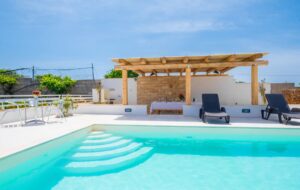
Immersed in the tranquility of the Salento countryside, Specchia is a rare pearl among Italian villages.
Celebrated as one of the “Most beautiful villages in Italy“, it perfectly embodies the most authentic Salento soul, giving its visitors a unique experience, made up of cobbled streets, noble palaces and traditional scents that spread from the kitchens of houses.
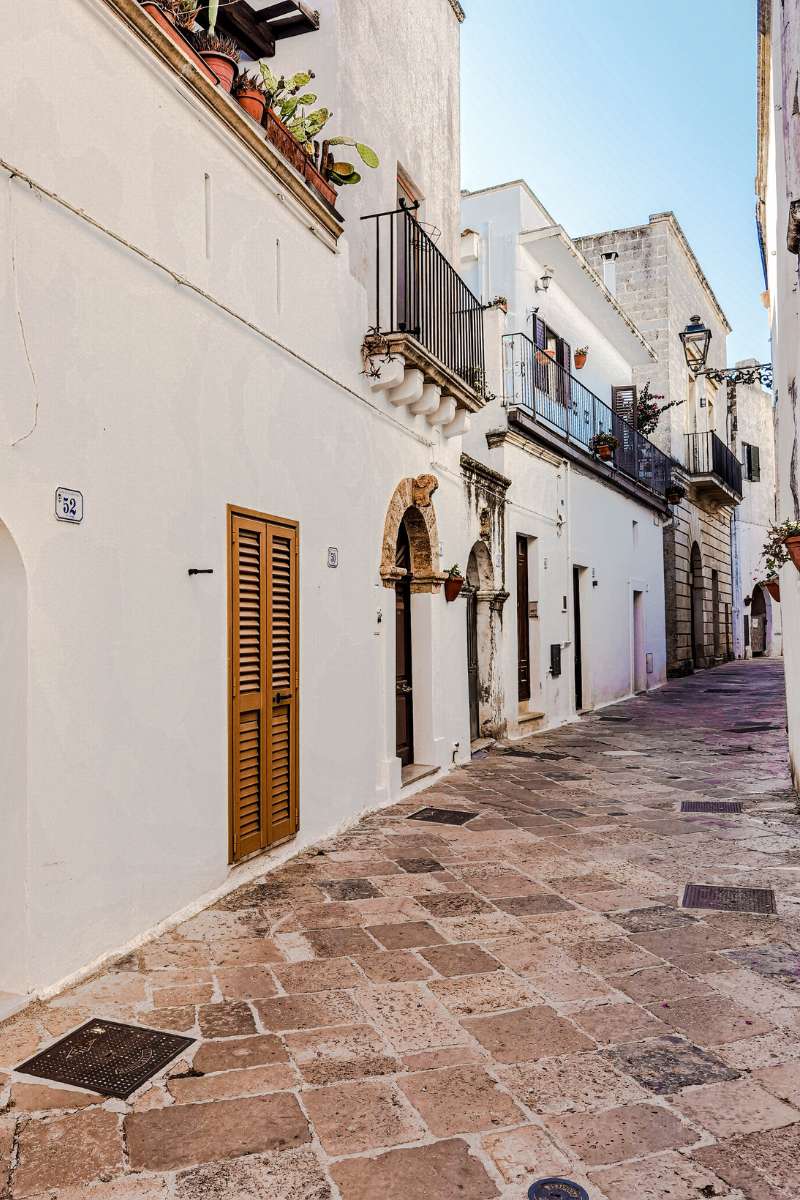
The golden light of the sun that caresses the buildings in local stone, the paved alleys that intertwine in a timeless labyrinth and the warmth of the inhabitants make the historic center of Specchia an unmissable destination for those looking for a corner of Puglia where time seems to have stopped.
General information
Set on a hill in the lower Salento, the historic center of Specchia is located in a privileged position, surrounded by a landscape of centuries-old olive groves, vineyards and dry stone walls. From here, the gaze is lost towards the horizon, where the countryside meets the sea. Located halfway between the Adriatic and Ionian coasts, this town is the ideal base for exploring the entire Salento peninsula.
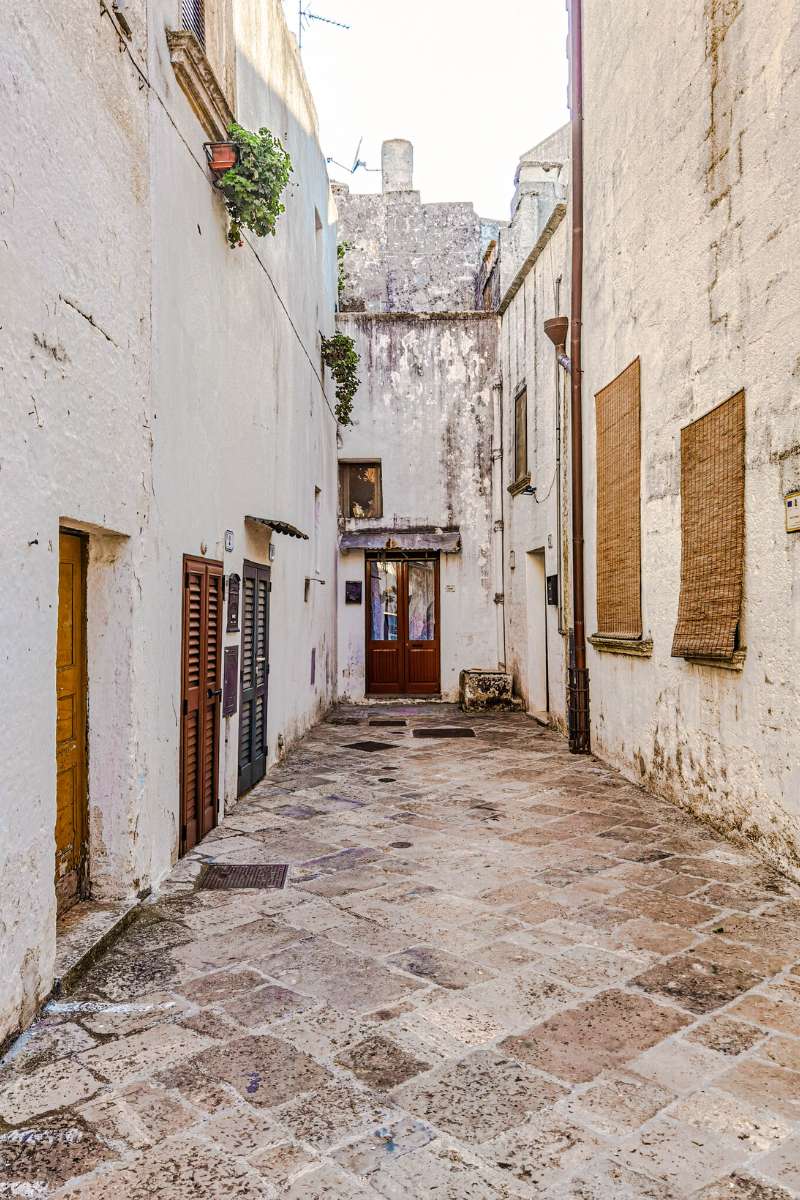
But it is not just the strategic position that makes the village of Specchia unique: it is its beating heart, the historic centre, which enchants those who visit it. With its narrow alleys, hidden squares and courtyard houses in Lecce stone, Specchia is a place that invites you to get lost and be surprised.
History of the historic center of Specchia
The name Specchia originates from the “specchie“, ancient piles of conical stones used by the Messapian populations as defensive structures and lookout points. This millenary legacy continues to permeate the identity of the village, which preserves the essence of a border land, a crossroads of cultures and traditions.
In the Middle Ages, Specchia developed as a flourishing agricultural center, favored by the strategic position and the industriousness of its community. The historic center of Specchia, protected by defensive walls of which some evidence remains visible, represented the fulcrum of city life. Walking through its alleys, you can admire historic buildings, underground oil mills and stately homes, which tell a story of prosperity and profound devotion.
The period of maximum splendor for Specchia dates back to the 15th and 18th centuries, when several noble families settled there, promoting trade and enriching the village with churches and palaces in Baroque style. In these centuries, Specchia became an important center for the production of wine and oil, consolidating its fame and its economy.
Architecture in the historic center of Specchia
The architecture of the historic center of Specchia is a perfect example of the Salento style. The “courtyard houses”, with their shared courtyards, tell of a time when community life was the heart of the village. The noble palaces, such as Palazzo Risolo, now home to the town hall, show the elegance and prestige of the families who have marked the history of the village of Specchia.
The Church of the Presentation of the Virgin Mary dominates Piazza del Popolo with its sober and austere facade, while the interior reveals baroque decorations that amaze with their refinement.
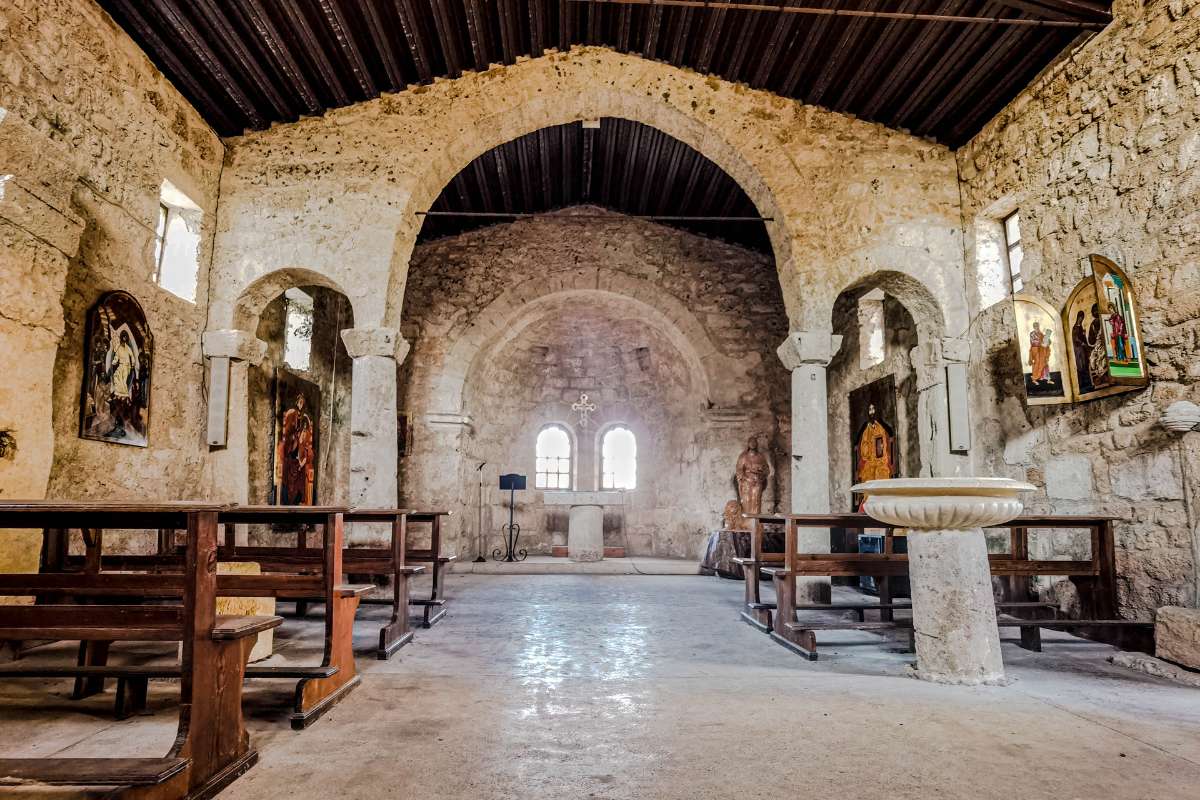
Just outside the historic center of Specchia, we find theChurch of Sant’Eufemia, asmall Byzantine church from the 9th-10th century, surrounded by olive trees, with three internal naves.
What to see in Specchia
Here is a list of the main attractions not to be missed in the historic center of Specchia:
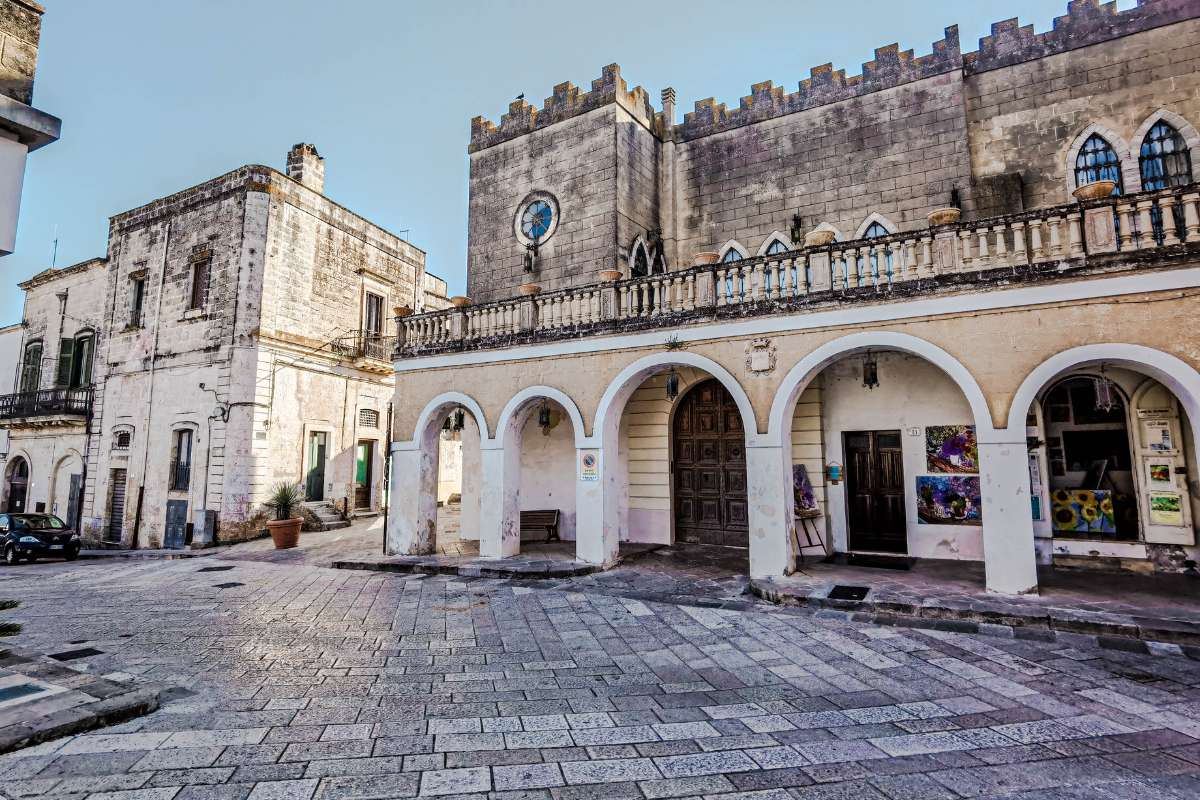
- Piazza del Popolo: The heart of the village, elegant and steeped in history. Overlooking here are: Palazzo Risolo (or Protonobilissimo Risolo), once a castle, then a marquis residence; Palazzo Baroniale Ripa, dating back to the 17th century, with a portico added in 1900.
- Church of the Presentation of the Blessed Virgin Mary: Matrix church of Specchia, dating back to the 15th century. Admire the baroque interior with a Lecce stone altar and the bell tower added in 1945.
- Church of the Madonna dell’Assunta: Built in the 17th century, it stands out for its baroque façade with niches and tympanum. The interior is simple, with a single hall.
- Chapel of Santa Caterina Martire: Small sixteenth-century church with Gothic details and frescoes that narrate the martyrdom of Santa Caterina and Sant’Agata. It houses an underground crypt with Byzantine frescoes.
- Crypt of the Madonna del Passo: Of Byzantine origin, transformed into a church in the 16th century. Inside there are altars and a precious painting of the Madonna and Child.
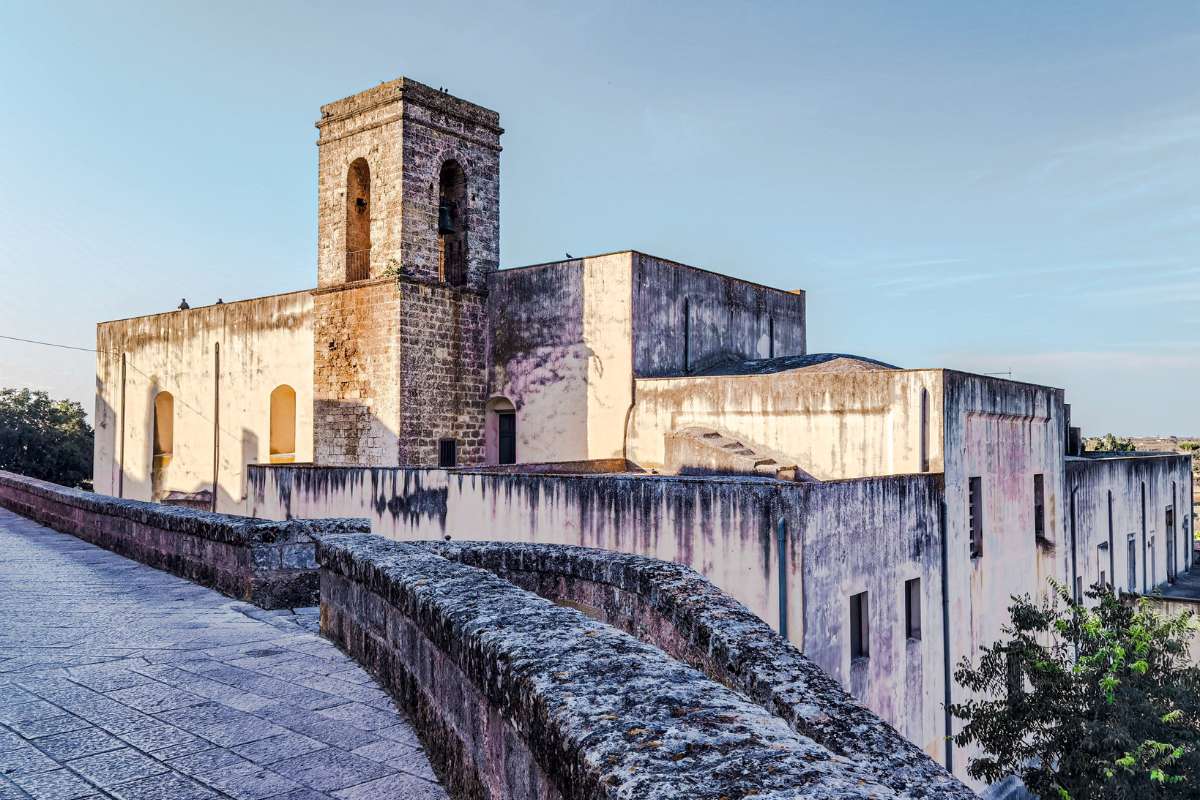
- Convent of the Black Franciscans: Founded in the sixteenth century and renovated in Baroque style in the eighteenth century. It had various uses, from a boarding school to an orphanage, until it closed in 1980.
- Underground oil mills: Underground, you will discover a network of ancient oil mills, symbol of the economic and social life of Salento between the 15th and 19th centuries, evidence of a past linked to the production of oil.
What to do in the historic center of Specchia and its surroundings
Visit the Frantoio Ipogeo Scupola to discover how oil was produced in ancient Salento. Specchia preserves several places dug into the rock, considered not only work spaces but true microcosms where stories of effort and tradition were intertwined.
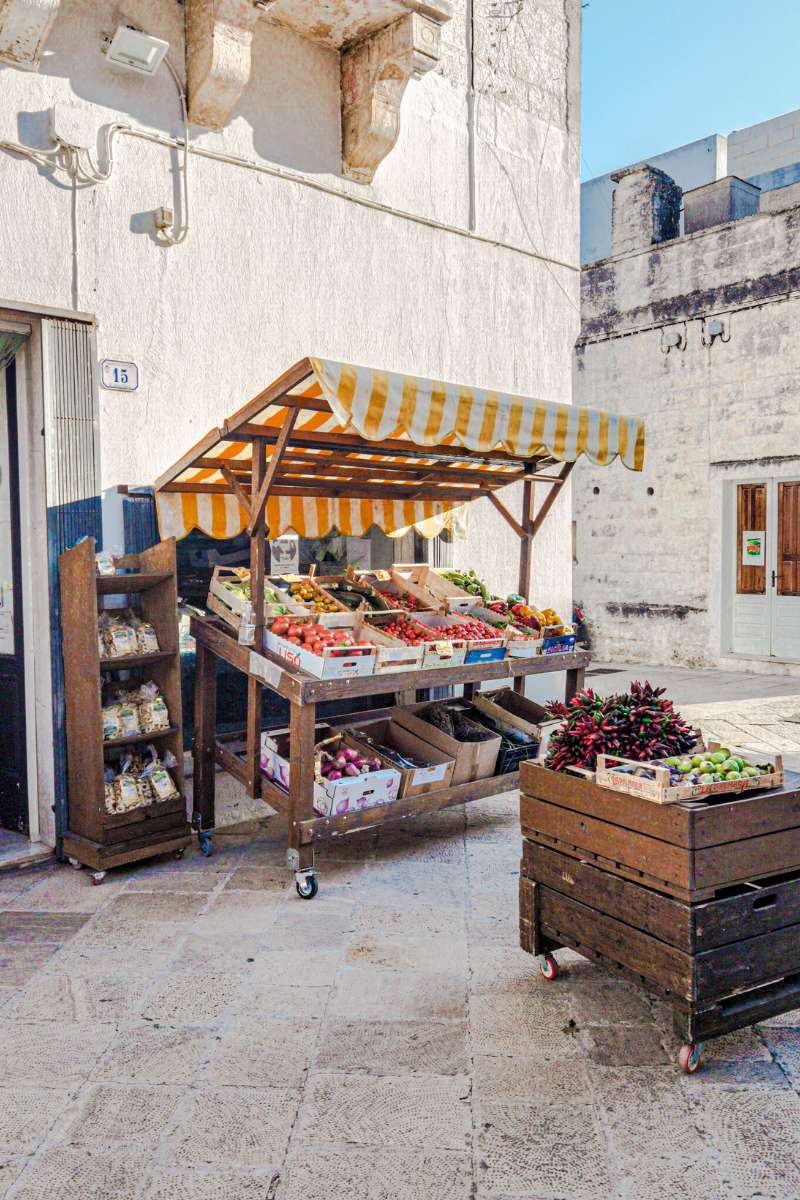
Lose yourself in the alleys of the historic center of Specchia: every corner can reserve a surprise, such as a flowered balcony, an ancient portal or a craftsman intent on working according to traditional techniques. Stop for lunch in a trattoria and try the typical flavors of Salento: broad beans and chicory, ciceri and tria or pittule, accompanied by a glass of Primitivo wine.
If you love nature, in the surrounding area you will find perfect paths for a walk among centuries-old olive groves. And for a unique experience, reach Tricase Porto or il Ciolo, where the cliffs plunge into a crystalline sea, offering a postcard spectacle.
Prices and opening times
Access to the historic center of Specchia is free and has no costs. We recommend visiting it in the early hours of the morning or late afternoon, when the sunlight enhances the warm shades of the Lecce stone and the atmosphere becomes even more evocative.
As regards specific attractions, such as the Protonobilissimo Risolo Castle or some underground oil mills, a ticket may be required to access temporary exhibitions.
During the summer months and holidays, the village of Specchia comes alive with events and guided tours that allow you to discover hidden corners of the town.
Where it is located and how to reach the historic center of Specchia
If you travel by car, reaching the historic center of Specchia is quite simple, thanks to its well-connected location. From Lecce take the SS275 in the direction of Santa Maria di Leuca and follow the signs for Specchia.
Alternatively, you can use public transport: the closest train station to Specchia is Tricase, about 10 km away, served by local buses.
The airports of Brindisi and Bari, well connected to Salento, represent a convenient option for those arriving from further afield. Once you arrive in the village, forget the car and get ready to explore the village on foot. The network of alleys slowly reveals itself to your eyes, offering ever new views and perfect corners for a souvenir photo.