In the heart of Salento, drenched in a land where stone and nature intertwine in an eternal embrace, stands the Giardino Botanico “La Cutura”. This corner of paradise, born from the limestone rock that dominates the landscape, is an ancient country estate built in the rural style of the late nineteenth century and today extends for 35 hectares, hosting one of the richest collections of rare plants, both fat and tropical.
Walking through its avenues is an incredible experience: the bright colors of roses mix with the intense scents of aromatic plants, while the sound of water from the papyrus and water lilies lake accompanies the visitor along a botanical path that passes through Mediterranean gardens, citrus groves and oak forests. But we don’t want to tell you everything right away, in this article you will find out everything you need to know about visiting La Cutura Giardino Botanico.
General information
La Cutura is not just a garden. It is a place of culture and conviviality. Over 11 beautiful gardens, over 3000 fat and tropical plants, over 100 animals.
A delicious restaurant “Dejeuner sur l’Herbe”, immersed in the fragrances of the countryside, where you can taste dishes that combine the simplicity of ancient flavors with culinary innovations, respecting the genuineness of tradition. And for those who want a more informal refreshment, there is the Café de La Cutura.
The old stable, now a course and conference room, is a hub of cultural activities. Here are held exhibitions, artistic and cultural meetings that enrich the soul of the garden, making La Cutura a place where the wonder of nature merges with the vitality of culture, creating an unforgettable experience for anyone who sets foot there.
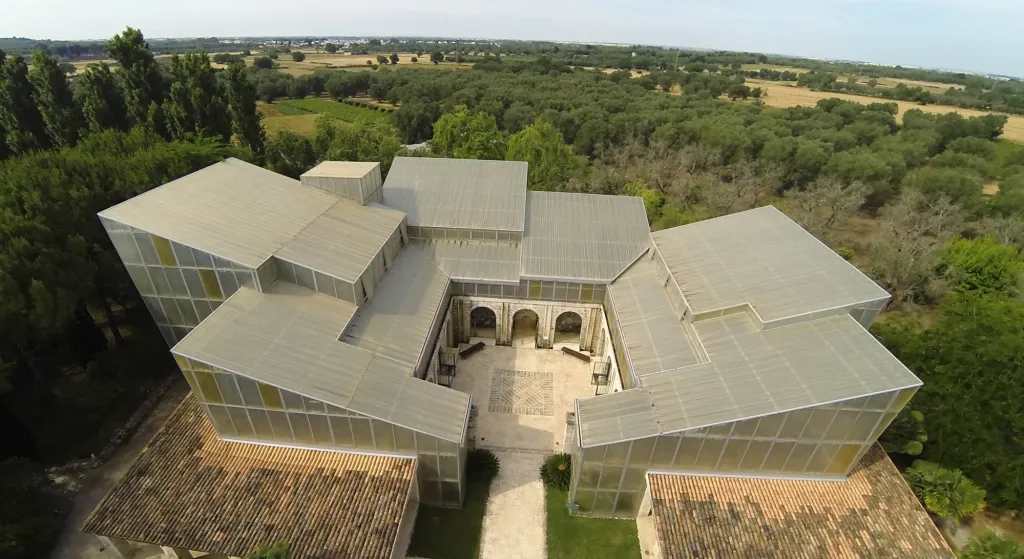
La Cutura Giardino Botanico
In the Botanical Garden “La Cutura” the guided tours offer the opportunity to discover the beauty and botanical richness of Salento. Accompanied by experienced enthusiasts, visitors can discover the various corners of this green paradise, immersing themselves in the stories and secrets of the plants that populate the garden.
You can also turn the garden on your own, below what you will find.
What to see in La Cutura
The Rock Garden:
It is a garden enclosed by ancient walls, which reproduces the landscape of South American countries, with about 80 varieties of agaves, 50 of opunties and numerous cactaceae. The ancient country stones, similar to natural sculptures, make the landscape even more evocative.
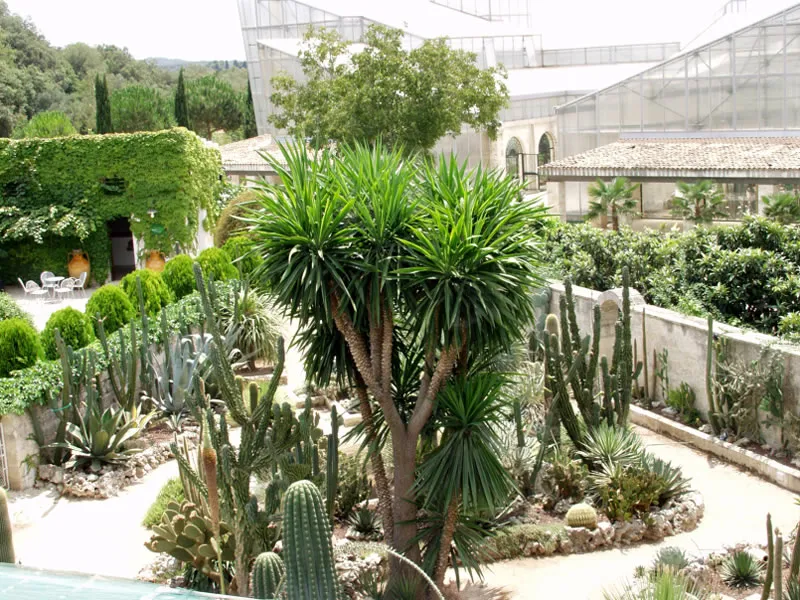
The greenhouse of succulents and tropical plants
It is a monumental iron and polycarbonate greenhouse up to 16 meters high, with sliding vaults that allow the sun’s rays to enter obliquely to avoid burning the cephalopods of the plants. The greenhouse has 2,000 varieties of fat and succulent plants, rare and of different sizes, from all over the world. The interior is divided by country of origin: from the central patio you can access the section of Mexico, on the left there are the succulents and tropical plants of Africa, and on the right those of Latin America.
The Mediterranean Garden
It is a large flowerbed surrounded by fragrant white carnations, which hosts several plants of the Mediterranean maquis such as conifers, brooms, junipers, olearias, corbezzoli, myrtles and thyme.
The natural pond of papyri and water lilies
It is a pond that collects excess rainwater from a cistern in the central patio of the greenhouse. In addition to papyri and water lilies, it is home to numerous aquatic plants such as bamboo, hyacinths, irises and a collection of reed.
The rose garden
The paths of the guided tour are adorned with about 100 varieties of roses, including damascene, famous for their intense and pleasant aroma. During flowering, they offer an unforgettable scenery of colors and scents.
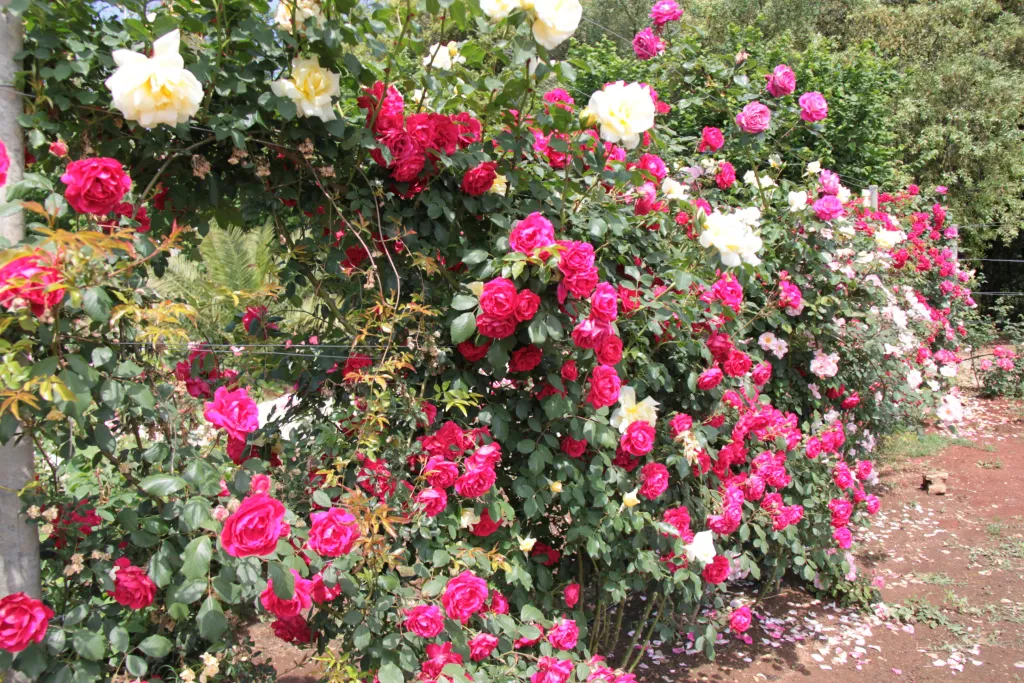
The Oak Forest
It is a forest of secular oaks (Quercus Ilex). The soil, enriched by the decomposition of the leaves, favors the growth of different varieties of mushrooms and truffles. During the summer, in the great central clearing, concerts and various events are held.
The ancient village
It is the oldest part of the “CUTURA” farm, dating back to the second half of the eighteenth century, with a structure similar to the Spanish rural buildings. During the visit, it is interesting to note the criteria used for the restoration of the premises.
The Italian Garden
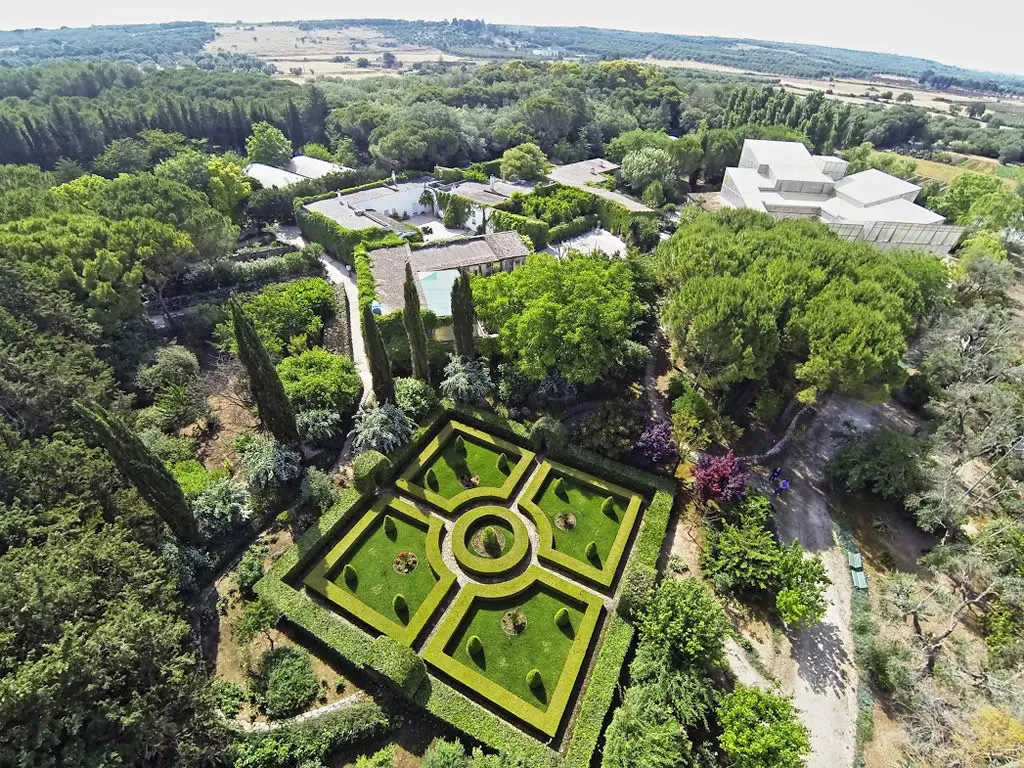
The classic example of Italian garden features geometric flowerbeds bordered with boxwood and pittofori. From spring to autumn, you can admire about 70 varieties of medicinal plants, with explanations on their healing properties and use in herbal medicine. These include varieties of wormwood, garlic, liquorice, hyssop, sorrel, and others.
The garden of the simple
It is a typical fenced space where cows and calves were during the day. There are several varieties of aromatic plants such as mint, alkermes, lavender and camphor, the same herbs that monks still grow in convents to produce syrups, liqueurs and teas useful against headaches, toothache and intestinal disorders.
The Garden of Perfumes
It hosts trees, plants and flowers that give off delicious and intoxicating scents in every season. The flowerbeds are lined with fragrant Parma violets, which bloom between March and April.
The Secret Garden
The secret of this place lies in its keeping the rarest plants in hidden and mysterious places, which arouse in the visitor a first curiosity that then turns into enthusiasm and emotion. Along a geranial avenue between the pines and through a monumental staircase carved in the rock, you arrive at an old tufa quarry where rare citrus trees, dwarf conifers, erythrines, gordonies and many other unusual plants live. In the two small greenhouses, located at the same place, you will find the most delicate rarity: one hosts palmizi, ferns and orchids, while in the other you can admire exotic fruits and fragrant essences.
The Old Farm
In the Secret Garden there is “The Old Farm”, a faunal trail with animals and ornaments: pigeons “Ricciuti” and “Cappuccini”, ducks, geese, royal swans, various breeds of roosters and ornamental hens such as chuffats, bearded, calcetines, dwarfs and giants, golden and silver pheasants, dwarf goats, deer, ponies, donkeys, “Falabella” horses, little rabbits and hundreds of colorful Japanese koi carp.
La Cutura schedules and prices
La Cutura botanical garden is open:
- Monday to Thursday from 10:00 to 12:30
- Friday, Saturday and Sunday from 10:00 to 12:30 and 18:00 to 20:00
- Extra openings for groups (minimum 20 people) only by reservation
The prices of La Cutura Botanical Garden are:
- € 8.00 adults
- € 5.00 from 12 to 16 years old
- € 50,00 guided tours
Where is it and how to reach La Cutura
La Cutura is located in the hinterland of Salento, in Puglia, precisely at Giuggianello, in the province of Lecce. It is the least populous municipality in the province and the Salento peninsula.
How to reach La Cutura?
To reach La Cutura from Lecce take the S.S. 16 towards Leuca, continue for about 25 km. After the exit Maglie/ Otranto, take the next exit on the S.P. 363 (Poggiardo, Castro, Santa Cesarea). Once inside, after the turn for Muro Leccese, exit towards Complanare or Contrada CUTURA. At the intersection with the underpass, turn left, go under the bridge and turn right where you will find the sign for directions. Then follow the road to the left at the next junction, indicated for “LA CUTURA” Botanical Garden. After about 800 meters, take the fork on the right and, after 150 meters, you will reach the destination with the entrance on the right and the parking on the left.